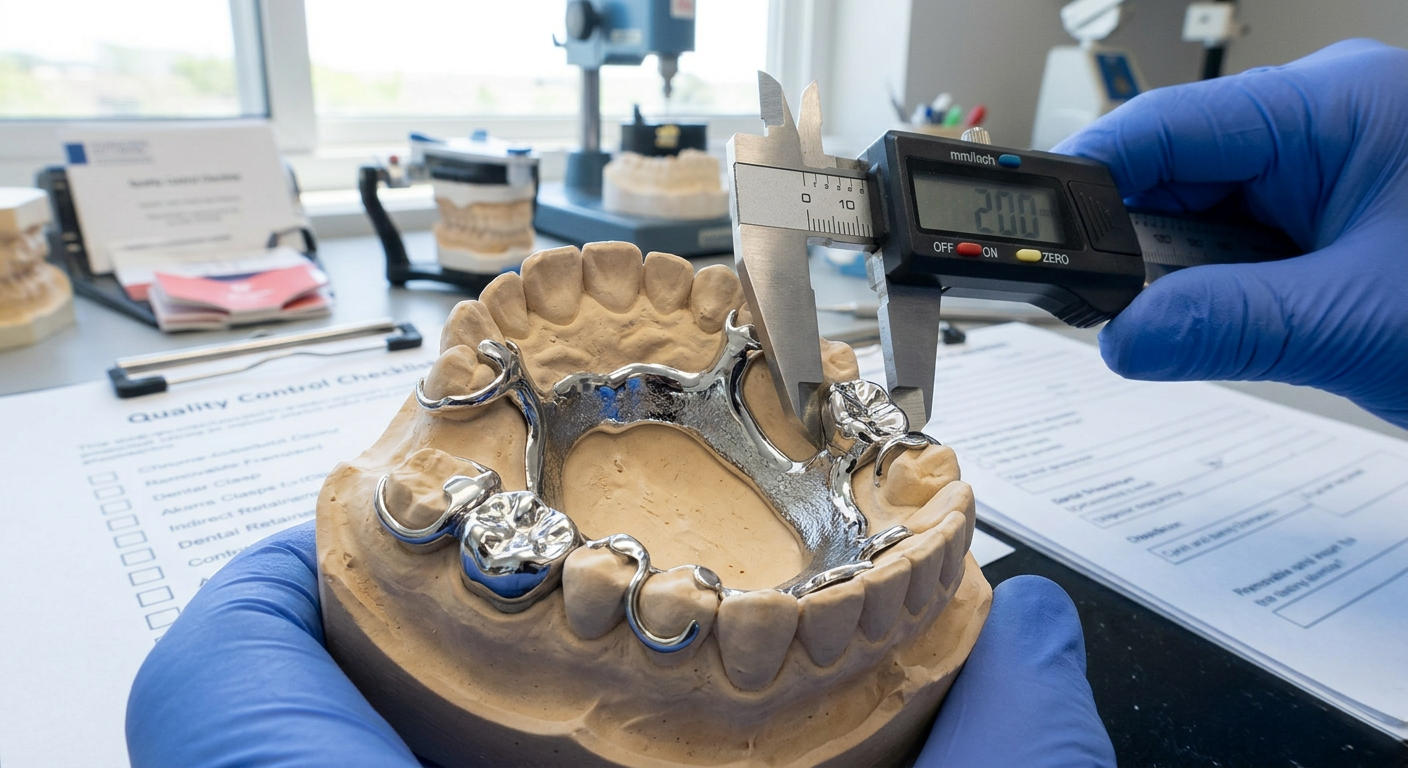
As 3D printing becomes more common in removable partial denture manufacturing, researchers and manufacturers are placing greater emphasis on accuracy and quality control. While digital workflows offer many advantages, the long-term success of an RPD depends heavily on the precision of its framework and the consistency of the manufacturing process. Recent studies have examined how factors such as layer thickness, support structures, post-processing methods, and storage conditions influence the accuracy of printed RPD frameworks. The findings suggest that even small variations in production parameters can affect the final fit of the prosthesis, highlighting the importance of standardized workflows and rigorous quality assurance protocols.
Dental laboratories are responding by investing in advanced printing equipment, validation procedures, and staff training programs to ensure reliable results. Modern software platforms also provide detailed monitoring tools that help technicians identify potential issues before fabrication is completed. At the same time, manufacturers are introducing new materials and printer technologies designed to improve dimensional stability and reduce distortion during production. These innovations are helping laboratories achieve greater consistency and clinical predictability.
For dentists, improved manufacturing accuracy translates into fewer adjustments at delivery appointments and better patient satisfaction. Looking ahead, quality control will remain a critical factor in the continued growth of 3D-printed RPD solutions. As regulatory standards evolve and digital workflows become increasingly sophisticated, laboratories that prioritize precision and validation will be best positioned to meet growing demand for digitally manufactured removable prosthetics. The ongoing focus on accuracy demonstrates the industry’s commitment to delivering dependable, high-quality restorations through advanced dental printing technologies.