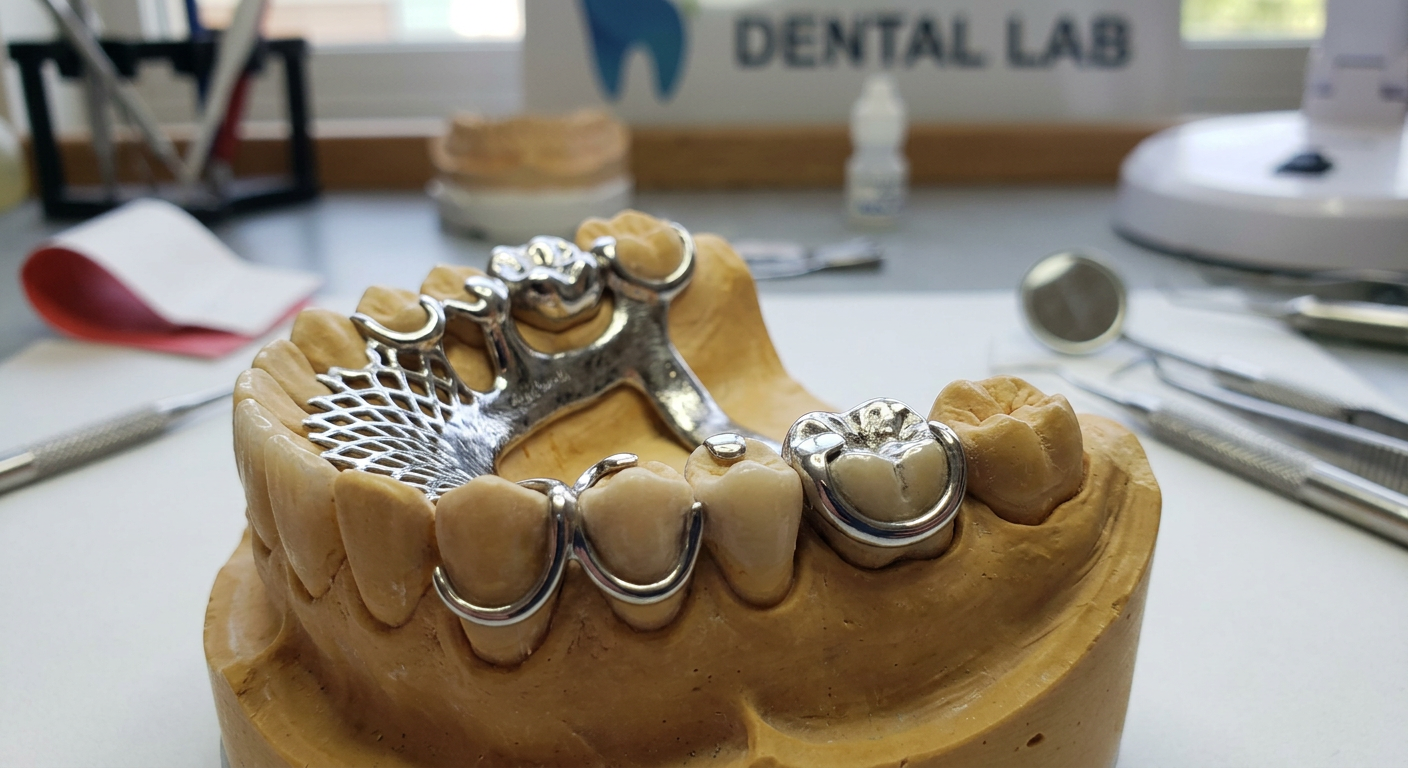
Digital dentistry is rapidly changing the way removable partial dentures are designed and produced. Over the last few years, dental laboratories have increasingly adopted fully digital workflows that combine intraoral scanning, CAD design software, and advanced 3D printing technologies. Instead of relying on traditional impressions and manual fabrication methods, clinicians can now collect digital patient data and transfer it instantly to the laboratory. This approach improves communication between dentists and technicians while reducing the risk of inaccuracies caused by conventional impression materials.
Recent industry reports indicate that more laboratories are investing in integrated digital production systems capable of manufacturing both metal frameworks and resin components within a single workflow. These systems enable faster production, improved quality control, and greater scalability for laboratories handling large case volumes. Digital design tools also allow technicians to make modifications more efficiently and store patient records electronically for future use. The benefits extend beyond operational efficiency. Patients often experience shorter treatment timelines, fewer appointments, and improved prosthesis fit.
Furthermore, digital workflows support more predictable clinical outcomes because each stage of production can be monitored and validated using digital data. As software and hardware continue to improve, the distinction between traditional and digital prosthetic manufacturing is becoming increasingly clear. Industry observers suggest that the future of RPD production will be predominantly digital, with laboratories leveraging automation and additive manufacturing to remain competitive. The combination of accuracy, speed, and reproducibility offered by modern digital workflows is making them an attractive solution for dental professionals seeking to enhance patient care while optimizing laboratory operations.